Bug Bite Identification: What Bit Me?
Mosquito, flea, bed bug, chigger, tick, spider or fire ant? Read the pattern, the place and the timing of the bite, treat it, and know when to see a doctor.

The Bug Ai team
Nov 20, 2026 · 5 min read
You wake up with a row of red bumps, or come back from a walk scratching your ankles. The bug is long gone, and the bite is all you have to go on. Bites from different bugs do leave different clues, and three of them do most of the work: the pattern, the place and the timing.
A caution first: bites look alike more often than not, and rashes, allergies and skin infections can look like bites too. Use these clues to narrow it down, not to diagnose.
Mosquitoes
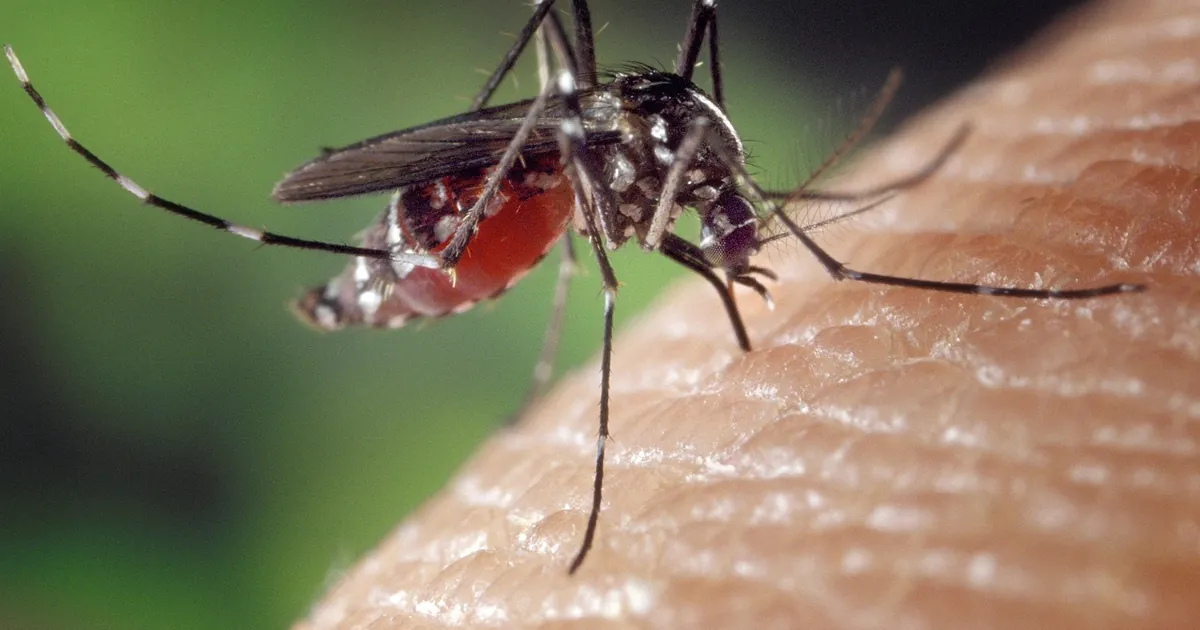
- Pattern: one or a few separate, puffy, round bumps. Often pale in the middle and pink around it at first, then a firm red bump.
- Place: any bare skin: arms, legs, neck, face.
- Timing: you notice them within minutes, usually after being outdoors at dusk or dawn. The striped Asian tiger mosquito also bites in daytime.
- Feel: itchy.
In the US, mosquitoes can carry West Nile virus. Most bites are only itchy, but fever, headache and body aches in the following week are worth a call to your doctor.
Fleas
- Pattern: small, very itchy red bumps, often with a red halo, in clusters or short lines.
- Place: ankles and lower legs, sometimes the waist.
- Timing: soon after time on the floor, the sofa or the lawn, especially with pets in the house.
If you see these, check your pets: fine black specks in their fur that turn red on damp paper are flea dirt.
Bed bugs
- Pattern: itchy welts in a line or zigzag of three to five, or in a cluster.
- Place: skin that was bare while you slept: arms, shoulders, neck, face.
- Timing: you notice them in the morning, but some people only react days later, and some never react at all.
Bites alone can't prove bed bugs. Check mattress seams, the box spring, the headboard and the bed frame for live bugs (flat, reddish-brown, apple-seed size), dark spots and shed skins.
Chiggers
- Pattern: clusters of red bumps that may look like pimples or tiny blisters.
- Place: wherever clothing is tight or skin folds: the sock line, the waistband, behind the knees, the groin, the armpits.
- Timing: the itch starts hours after a walk in tall grass or brush and peaks a day or two later.
- Feel: intensely itchy, for up to two weeks.
Chiggers are tiny mite larvae. They do not burrow into the skin and they are not still in there, so nail polish does nothing. A hot shower with soap as soon as you get home helps.
Ticks
- Pattern: a single small red bump, often with the tick still attached.
- Place: warm, hidden spots: the hairline, behind the ears, the armpits, the waist, behind the knees, the groin.
- Timing: the bite is painless, so a tick can feed for days before you notice.
Remove a tick promptly with fine-tipped tweezers, close to the skin, pulling straight up. Then watch the spot for a month: an expanding red rash, sometimes with a bullseye ring, or fever and aches, can be a sign of Lyme disease and needs a doctor.
Spiders
- Pattern: one red, sore bump, sometimes with two tiny puncture marks.
- Place: often the hands, arms or feet, after reaching into a box, a shed or a shoe.
- Timing: usually noticed right away as a sting.
Real spider bites are rare. Two need a doctor: a black widow bite, which causes cramps and muscle pain spreading from the bite within hours, and a brown recluse bite, which is painless at first and can become a sore that darkens and spreads over days. Our spider danger checker shows which spiders are which.
Fire ants
- Pattern: a cluster of stings that burn, then turn into white, pus-filled bumps within a day.
- Place: feet, ankles and legs, from standing on a mound.
- Timing: instant, and usually you see the ants.
Leave the bumps unbroken so they don't get infected. Fire ants live across the South, from Texas to the Carolinas, and in parts of California.
Bees, wasps and hornets
- Pattern: one red, swollen lump. A honey bee often leaves its stinger behind.
- Feel: sudden sharp pain, then swelling that can grow for a day or two.
Scrape a stinger out with a fingernail or a card as soon as you can. Swelling of the face or throat, trouble breathing or dizziness after any sting is an emergency: call 911.
Horse flies and deer flies
- Pattern: a painful red bump that may bleed a little.
- Timing: in daytime, near water or woods. Deer flies circle your head.
Quick table
| Bite | Pattern | Where | When |
|---|---|---|---|
| Mosquito | Single puffy bumps | Bare skin | Outdoors, dusk |
| Flea | Itchy clusters | Ankles, lower legs | At home, pets |
| Bed bug | Line or zigzag | Arms, neck, face | After sleeping |
| Chigger | Itchy clusters | Waistband, sock line | A day after grass |
| Tick | One bump, tick attached | Hairline, folds | Days later |
| Fire ant | Burning, then white bumps | Feet, legs | Instantly |
First aid for most bites
- Wash with soap and water.
- Use a cold pack for 10 minutes at a time to calm swelling.
- For itching, try an over-the-counter hydrocortisone cream, calamine lotion or an antihistamine tablet.
- Don't scratch: broken skin gets infected.
See a doctor for a bite that gets hot, red and spreading, a red streak running from it, a sore that blisters or darkens, cramps spreading from a bite, or fever or a growing rash in the weeks after a tick bite. Call 911 for trouble breathing or swelling of the face or throat. In the US, poison control is 1-800-222-1222.
Narrow it down in a minute
Our free bug bite identifier asks five quick questions about your bite and lists the bugs that fit best. If you can find the bug itself, a photo in the free bug identifier is much more certain. Not sure what you are looking at? Start with our guide on how to identify a bug from a photo.
Frequently asked questions
How can I tell what bit me?
Check the pattern, the place and the timing. One bump outdoors: mosquito. Clusters on the ankles: fleas. A line or zigzag after sleeping: bed bugs. Bumps where clothing is tight after a walk in grass: chiggers. A painless bump with a tick still attached: a tick.
What does a spider bite look like?
Usually one red, sore bump, sometimes with two tiny puncture marks. Spider bites are much rarer than people think: many sores blamed on spiders turn out to be skin infections.
When should I worry about a bug bite?
Get emergency help for trouble breathing or swelling of the face or throat. See a doctor for cramps spreading from a bite, a sore that blisters, darkens or keeps spreading, a red streak from the bite, or fever or a growing rash after a tick bite.
How long do bug bites last?
Most itchy bites fade in a few days to a week. Chigger bites can itch for one to two weeks, and bed bug reactions can appear days after the bite.